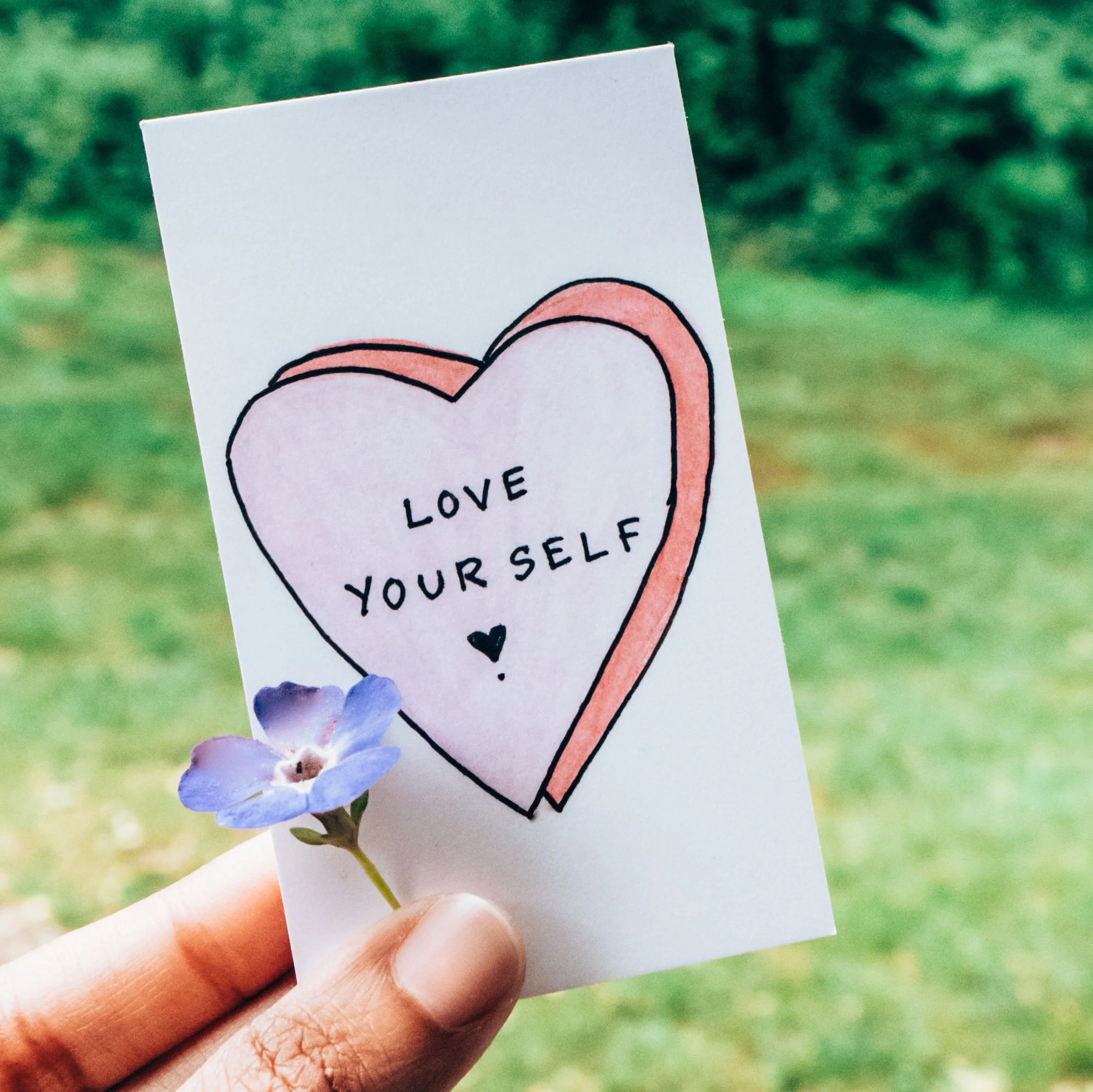
Be Kind to Yourself: The Power of Self-Compassion

Be Kind to Yourself: The Power of Self-Compassion

We all have moments when we're hard on ourselves. We replay mistakes, feel like we're not doing enough, or compare ourselves to others. When we face difficult situations, we often resort to harsh self-talk….High performers are often the hardest on themselves—mistaking self-criticism for accountability, and rest for weakness. But the research tells a different story: the people who recover fastest from setbacks aren't the ones who punish themselves into improvement. They're the ones who know how to be kind to themselves in the middle of the mess.

Read More


Finding The Courage to Live your Purpose

Finding The Courage to Live your Purpose

On the wall of my office, I keep a printout of a Teddy Roosevelt quote that captures the very essence of bravery: “It is not the critic who counts; not the one who points out how the strong person stumbles, or where the doer of deeds could have done them better. The credit belongs to the one who is actually in the arena, whose face is marred by dust and sweat and blood….

Read More

Healing with Internal Family Systems

Healing with Internal Family Systems

When COVID hit, I was overwhelmed by emotions I didn’t quite know how to hold. I felt deep sadness as lives were lost, anger that leadership failed to protect people, and fear as I watched Asian Americans—including people who looked like me—being verbally and physically attacked. I grieved George Floyd’s murder and the systemic racism it laid bare. At home, I was navigating my young child’s schooling while worrying about work and our future. Like many of us, I coped by putting my head down and pushing through.

Even though I journaled, meditated, and practiced mindfulness, something inside me knew it wasn’t enough. My body was carrying stories my mind couldn’t fix. When I told a counselor that I wanted to explore somatic healing, he referred me to an Internal Family Systems (IFS) therapist. I didn’t know what IFS was, but I was curious enough to try.

Read More

Whole Brain Integration in Hard Times

Whole Brain Integration in Hard Times

As a coach, I hear many stories from leaders facing difficult challenges. Often, their reactions to these situations stem from places deep in the subconscious. I’ve experienced this myself—feeling something intensely but struggling to articulate why. It’s only after meditation, journaling, or quiet reflection that I begin to uncover the root.

One story that has always stayed with me comes from The Whole-Brain Child by Dr. Daniel J. Siegel. As a new father, Siegel found himself emotionally withdrawing when his infant son cried. Though he loved his child, the sound deeply disturbed him—and he didn’t understand why. After some inner work, a long-buried memory resurfaced.

Read More

Curiosity is a Leadership Super Power

Curiosity is a Leadership Super Power

Curiosity is an incredibly powerful practice, and I believe it is one of the critical factors in being an outstanding leader.

"Curiosity killed the cat” is a common warning. In the TV hit show Doctor Who, when a character considers opening that ominous door at the end of the creepy, dark hallway, I am often found squirming in my seat and yelling, “Don’t open the door….some scary monster could be on the other side!”

But, what if behind that door, there’s a beautiful, shiny new car behind it like on the Price is Right? You’ll never know unless you walk over to the door and open it!

Read More

How to Develop Emotional Agility

How to Develop Emotional Agility

There comes a time in everyone’s life when things just aren’t jiving. Maybe you have hit some challenges in life or work and are struggling. Or maybe things are great on the surface, but deep down, you feel that things just don’t feel right. Either way, this post is for you.

Whether you are dealing with personal or professional challenges, an important skill to build is the muscle of emotional agility. Emotional agility is the ability to move through emotions instead of getting stuck or suppressing them. It’s a way to stay flexible when encountering hard emotions, and to stay present to the moment instead of acting out in less productive ways. 

Read More